

Tips for Parents
What to Look for When Choosing a Nursery in Greenwich
Written by Vivian, Owner & Director at Blossoming Minds Daycare
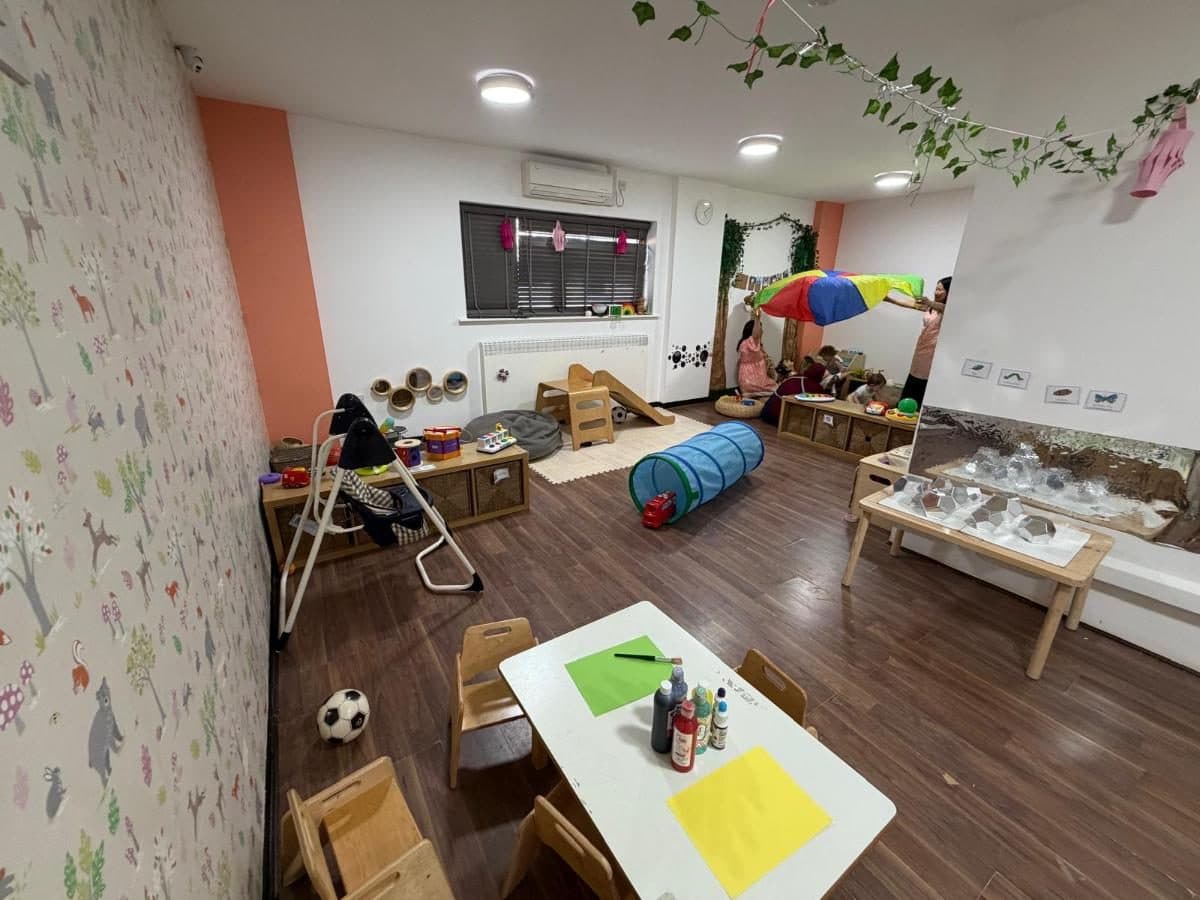
Finding the right nursery for your child is a process that deserves time and thought. Parents often ask me where to start, and my honest answer is always the same: visit, ask questions, and trust what you feel when you walk through the door. No website, however well written, can tell you whether a nursery is the right fit for your family. But knowing what to look for helps you make the most of those visits.
Here is what I would be paying attention to, based on years of working in early years and what I observe day to day at Blossoming Minds Daycare Greenwich.
How the children seem
This sounds simple, but it is often the most telling thing. When you visit, look at the children who are already settled. Are they engaged? Relaxed? Do they seem comfortable approaching the adults around them? A calm, purposeful room where children are genuinely absorbed in what they are doing tells you a great deal about the culture of a setting.
I would also pay attention to how staff respond to a child who is upset or uncertain. Warmth, patience and attunement matter enormously at this age.
The key person system
Ask any nursery you visit how their key person system works in practice. The key person is the adult who takes primary responsibility for your child's care, learning and wellbeing. In a well-run nursery, this is not just a name on a form. It means your child has someone who genuinely knows them, notices what they enjoy, tracks how they are feeling and builds a real relationship with your family.
At Blossoming Minds, we make a point of ensuring a child's key person gets to know them properly before parents step back during settling. That relationship is the foundation of everything else.
Settling in
A nursery's approach to settling in tells you a lot about how it thinks about children. I would be cautious about any setting that rushes this process or offers a one-size-fits-all approach regardless of a child's age or temperament.
Look for:
- A gradual process that starts with you present in the room
- Flexibility in pace, particularly for younger babies
- Clear communication throughout, so you know how your child is getting on
- An openness to it taking longer than expected without making you feel this is a problem
Meals and the daily rhythm
Food matters more than it sometimes gets credit for in early years. Ask whether meals are cooked on site, how dietary requirements and cultural preferences are handled, and whether mealtimes are genuinely sociable occasions rather than something slotted between activities.
Our in-house chef prepares fresh meals every day, with menus that reflect a range of world flavours and are adapted for allergies, vegetarian, vegan, and religious requirements. Children also join in cooking activities regularly, which builds confidence and curiosity around food in a way that lasts well beyond nursery age.
Beyond meals, think about the overall shape of the day. An unhurried routine with a mix of child-led play, outdoor time and quieter moments tends to suit young children far better than a tightly scheduled programme.
Outdoor time and the local environment
Children need fresh air and physical freedom every day, not just when the weather is convenient. Ask how often children go outside, what the outdoor provision looks like, and whether the nursery makes use of the local area.
We are fortunate in Greenwich to have excellent parks and open spaces within easy reach, and we use them regularly. Children need room to climb, dig, run and explore. This is not optional for healthy development.
Communication and how connected you feel
Once your child starts, you want to feel genuinely informed without having to chase for updates. Ask nurseries how they keep parents in the loop day to day. Look for settings where the team is approachable and where communication feels consistent rather than reactive.
Many parents tell me that the photos we send throughout the day make a real difference in the early weeks especially. Knowing your child is happy and settled is not a small thing.
Funding and practical considerations
If your child is approaching three, or you are eligible for funded hours from nine months through the working parents offer, it is worth understanding how nurseries handle funded places before you commit. Some stretch the hours across more weeks at a reduced number per week; others offer them term-time only at the full weekly amount. Both approaches are valid, but it is worth knowing which a nursery offers and whether it suits your working pattern.
We accept both 15 and 30 hours funding at Blossoming Minds. For a full picture of what you might be entitled to, our fees and funding page is a good starting point, and you can check your own eligibility at childcarechoices.gov.uk.
Ofsted, but not only Ofsted
Ofsted ratings are a useful starting point and worth checking for any nursery you are considering. Blossoming Minds holds a Good rating. But I would always encourage parents to look beyond the grade. Read the full report, note what inspectors observed about children's wellbeing and the quality of interactions, and then go and see for yourself.
A grade tells you something. The visit tells you much more.
If you are looking at nurseries in Greenwich, Westcombe Park, Charlton, Blackheath or the surrounding areas, I would encourage you to book a show-around at Blossoming Minds. Come and meet the team, see the rooms and get a feel for how the day runs. If you would prefer something a little more relaxed first, our free weekly Stay and Play sessions every Friday morning are open to babies and toddlers from three months to three years old, and there is no commitment involved. Register for Stay and Play and come along with your little one.
Come and see us for yourself
Book a relaxed tour of Blossoming Minds Daycare and meet our team.
Book a tourOther guides you might like
Activities
Things to Do with Toddlers Near Greenwich: Our Favourite Local Spots
Greenwich has more to offer toddlers than most people realise. Here are some of the spots we love most, drawn from what we see working well with young children every day.
Child Development
What Mixed-Age Learning Actually Looks Like at Nursery (And Why It Works)
Mixed-age learning is something we think about carefully at Blossoming Minds. Here's what we see happening between our younger and older children every day, and why it matters more than most people expect.
Child Development
Sleep, Rest and Development: What We See at Blossoming Minds Every Day
Sleep is one of the most powerful things supporting your child's growth, mood and learning. Here is what we observe day to day at our Greenwich nursery, and what it means for you at home.
Frequently asked questions
What should I ask when visiting a nursery?
Ask about the key person system and how it works in practice, how they handle settling in, what the daily routine looks like, and how they communicate with parents. Also ask to see the outdoor space and, if possible, observe a mealtime. What you notice in the room matters as much as the answers you receive.
How do I know if my child is entitled to funded nursery hours in Greenwich?
All children aged three and four are entitled to 15 hours of funded childcare per week. Eligible working parents may access 30 hours at three to four, and funded hours from nine months old. Eligibility depends on your income and employment status. Check what you qualify for at childcarechoices.gov.uk, then visit our fees and funding page for details on how funding works at Blossoming Minds.
Does Blossoming Minds Daycare offer a way to see the nursery before committing to a place?
Yes, in two ways. You can book a show-around for a private visit at a time that suits you, or come along to our free Stay and Play session every Friday from 10am to 11am. Stay and Play is open to babies and toddlers aged three months to three years, with no charge and no obligation. Both are a good way to meet the team and get a feel for the setting.
How does Blossoming Minds handle settling in for younger babies?
We tailor the process to each child's age and temperament. For younger babies especially, we take it slowly. Settling starts with parents present, then builds gradually over a couple of weeks. Some families begin with one or two sessions before moving to fuller attendance. We send photos throughout the day so parents feel connected from the start.