

Tips for Parents
Potty Training: A Gentle Approach That Works at Your Child's Pace
Written by Vivian, Owner & Director at Blossoming Minds Daycare
Potty training is one of those topics that comes up in conversation almost every week at Blossoming Minds Daycare. Parents drop off in the morning and quietly ask, "Do you think she's ready?" or "He's shown a bit of interest but we don't want to push it." I love these conversations, because they tell me that families are already thinking about this the right way: gently, and with their child's lead in mind.
Having worked in early years for many years, I have seen a lot of approaches to potty training. What I come back to again and again is this: when we follow the child, the process is almost always smoother for everyone involved.
Signs Your Child Might Be Ready
There is no magic age. Most children show readiness somewhere between two and three years old, but some are earlier and some are later, and both are completely fine. In our nursery, we watch for a cluster of signs rather than a single moment of readiness:
- Staying dry for longer stretches during the day
- Showing awareness that they are weeing or pooing (pausing, going quiet, telling you afterwards)
- Showing curiosity about the toilet or potty
- Being able to follow simple instructions
- Pulling clothes up and down with some independence
If your child is showing a few of these consistently, it is often a good time to start gently introducing the idea. If they are not there yet, waiting a few weeks and trying again is absolutely fine.
Starting at Home
We always encourage families to start the process at home first, so that children build their first associations in the most familiar and comfortable environment they know. A few things that tend to help:
- Introduce a potty casually, without pressure, and let your child explore it at their own pace
- Talk about what it is for in a matter-of-fact, positive way
- Let them see you or an older sibling using the toilet if that feels natural
- Offer regular, relaxed opportunities to sit on the potty, particularly after meals or when they wake up
- Celebrate the small moments without making too much of accidents
Accidents will happen. Every single child training will have them, and how we respond makes a real difference. A calm "never mind, let's get you changed" does far more good than any amount of frustration or disappointment.
Working Together With Nursery
One of the things I feel strongly about at Blossoming Minds Daycare is that potty training should be a joined-up effort between home and nursery. When a child is getting the same gentle, consistent message in both places, they make progress much more confidently.
As soon as you start thinking about training, please do talk to your child's key person. We want to know where your child is up to, what words you use at home for wees and poos (children find it much easier when everyone uses the same language), and how confident they are feeling. We will share what we observe during the day, and we will follow your lead rather than push our own timeline.
We keep spare clothes at nursery, we never make a child feel embarrassed about an accident, and we treat the whole process as a normal and positive part of growing up. Our unhurried daily routine means children are not rushed through nappy changes or toilet trips, which matters more than it might sound.
What We Gently Avoid
A few things that, in my experience, tend to make potty training harder rather than easier:
- Starting at a time of big change (a new baby, a house move, starting nursery)
- Putting a specific deadline on it
- Making accidents a source of upset or shame
- Flipping between nappies and pants inconsistently once training has properly begun
- Comparing your child's progress to siblings or other children
Every child finds their own way through this. Some crack it in a week. Others take a couple of months of steady, patient progress. Both are normal.
A Note on Pull-Ups
Parents often ask me about pull-ups. They can be useful at night or for longer journeys, but during the day, most children find it easier to learn in proper pants. The sensation is clearer, which helps them tune in to their body's signals more quickly. That said, you know your child best, and we are always happy to chat through what feels right for your family.
Getting the Timing Right
If your child is due to start with us, or is just about to move up to our toddler or pre-school room, it is worth having a conversation with us before you begin training. We can share what we notice day to day and help you pick a settled, low-pressure moment to start. Our fees and funding page also has information about sessions and hours, which some families find helpful when thinking about whether full days or shorter sessions work best during this period.
If you would like to see how we work and get a feel for the nursery, you are very welcome to book a show-around at a time that suits you. If you would prefer something a little more relaxed first, our free weekly Stay and Play session every Wednesday morning is a lovely way to meet the team and watch how we work with children in an ordinary, unhurried setting.
Come and see us for yourself
Book a relaxed tour of Blossoming Minds Daycare and meet our team.
Book a tourOther guides you might like
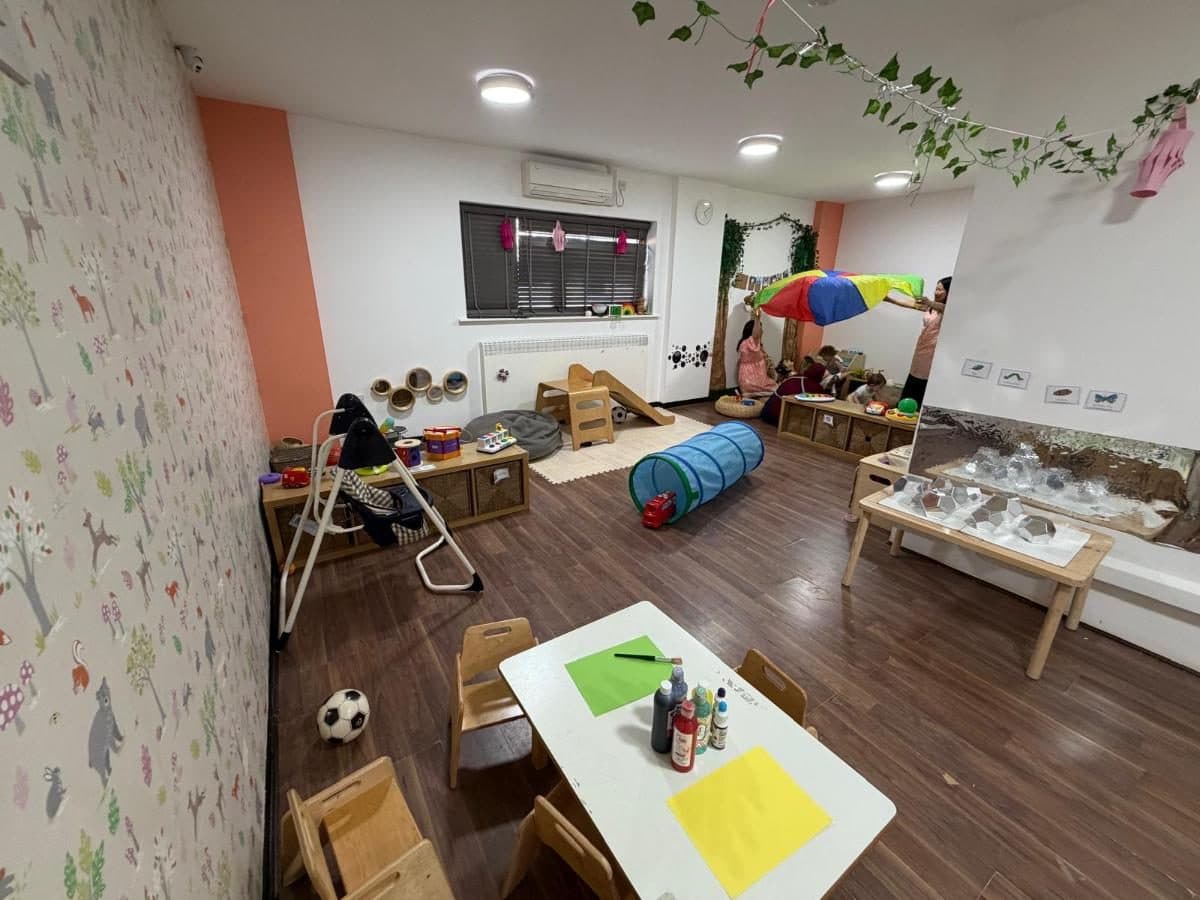
Tips for Parents
What to Look for When Choosing a Nursery in Greenwich
Choosing the right nursery takes more than a Google search. Here is what I would look for if I were a parent in Greenwich, based on what I see working well every day at Blossoming Minds.
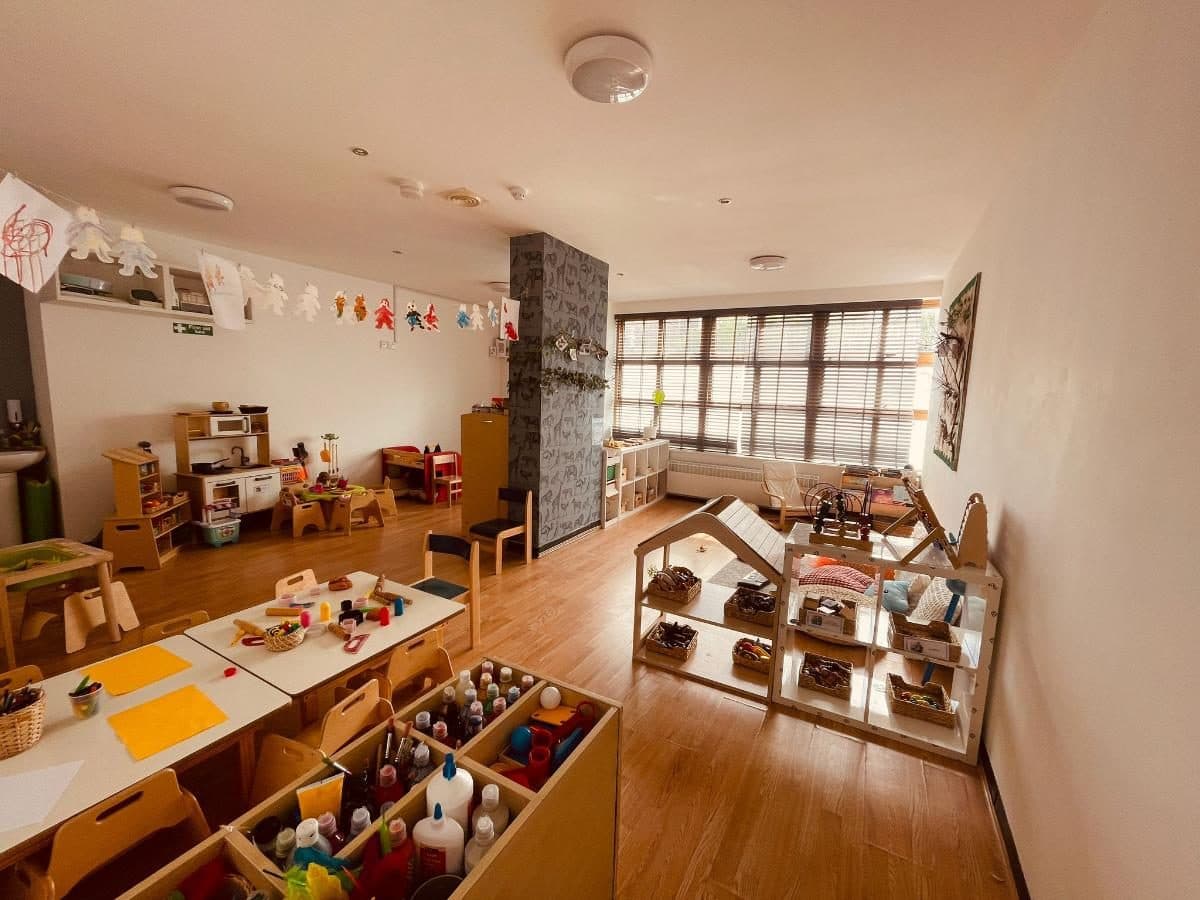
Activities
Things to Do with Toddlers Near Greenwich: Our Favourite Local Spots
Greenwich has more to offer toddlers than most people realise. Here are some of the spots we love most, drawn from what we see working well with young children every day.
Child Development
Sleep, Rest and Development: What We See at Blossoming Minds Every Day
Sleep is one of the most powerful things supporting your child's growth, mood and learning. Here is what we observe day to day at our Greenwich nursery, and what it means for you at home.
Frequently asked questions
What age do most children start potty training?
Most children show readiness somewhere between two and three years old, though some are ready a little earlier or later. At Blossoming Minds we look for a cluster of signs rather than a specific age, including staying dry for longer, showing awareness of their body, and showing an interest in the toilet or potty.
Should I start potty training before my child joins nursery?
It is usually easier to start training once your child is settled into a routine rather than during periods of big change. We would always recommend chatting to your child's key person before you begin. That way we can work consistently together and make the transition as smooth as possible for your child.
How does Blossoming Minds Daycare support potty training during the nursery day?
We follow each family's lead and work closely with parents to keep language and routines consistent between home and nursery. Our daily routine is unhurried, which means children are never rushed through toilet trips. We keep spare clothes at nursery and handle accidents calmly so children never feel embarrassed.
Can I come and see the nursery before my child starts?
Absolutely. You are very welcome to book a show-around at a time that suits you, and we will walk you through everything at your own pace. If you would prefer a more relaxed first visit, our free Stay and Play session every Wednesday morning is open to babies and toddlers from 3 months to 3 years, with no commitment required.