

Child Development
How We Help Young Children Build Social Skills at Nursery
Written by Vivian, Owner & Director at Blossoming Minds Daycare
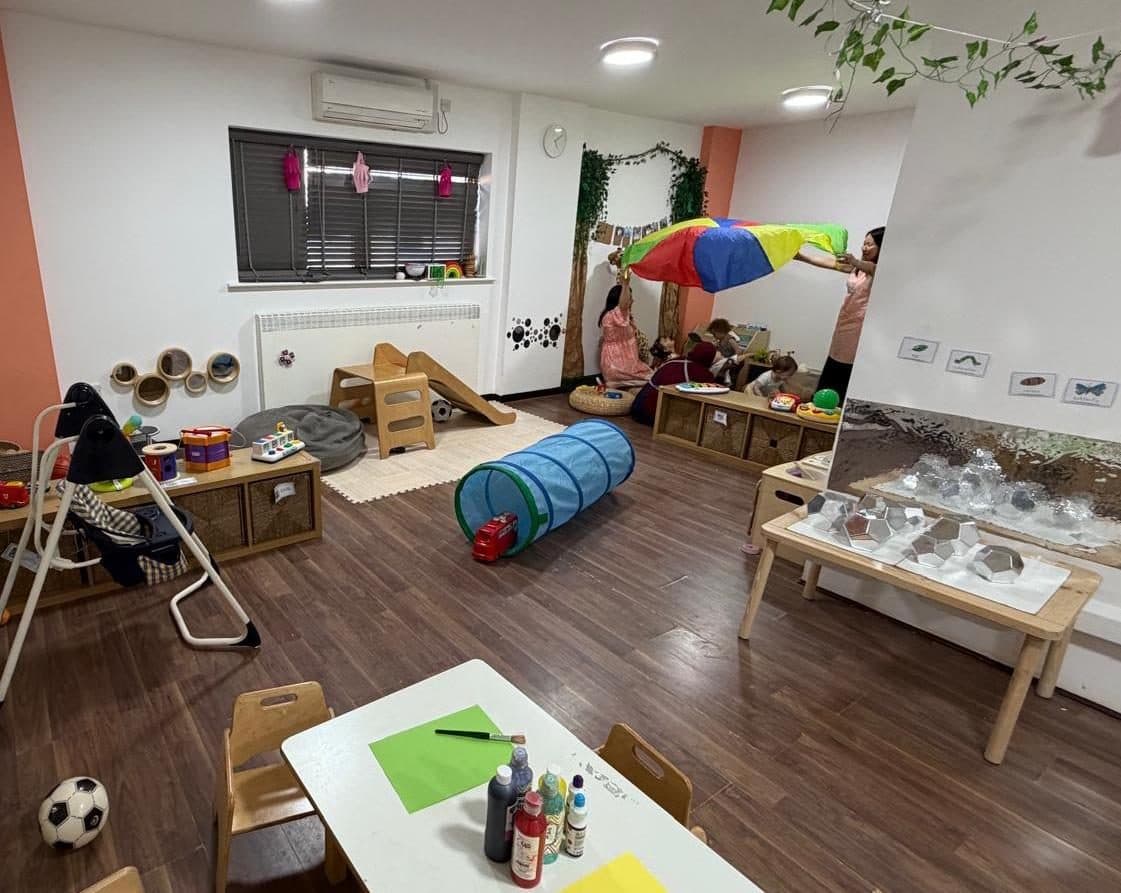
Learning to share, take turns, read someone else's feelings, or simply sit alongside another child without conflict are things adults do without thinking. For a two-year-old, they are genuinely hard work. I've been working in early years long enough to know that social development is rarely a straight line, and that the nursery environment either supports it or gets in the way of it. At Blossoming Minds Daycare Greenwich, it's something we think about carefully, every day.
Why the early years matter so much for social development
The connections children make before they start school shape how they approach friendships, disagreements and group situations for years afterwards. The EYFS statutory framework places personal, social and emotional development at the heart of early years practice, and rightly so. But what that looks like in a real nursery setting is quite different from what it reads like on paper.
In our nursery, we often see children arrive who have spent most of their time with family, or with one or two familiar adults. The shift to a room full of peers is significant. Some children move straight into it with curiosity. Others hang back and watch for weeks before they feel ready to join in. Both responses are completely normal, and we follow the child's lead.
Small groups make a big difference
One of the things I feel most strongly about is the size and structure of the groups children spend time in. Large, noisy environments can be overwhelming for young children, particularly toddlers and babies who are still working out how to regulate their own emotions, let alone navigate someone else's.
We deliberately keep our group activities small. A few children cooking together, making pizzas or a simple salad with one of our team, gives everyone a chance to contribute, to wait their turn, and to feel genuinely included. Those moments are where a lot of the real social learning happens, not in a circle time activity designed to teach turn-taking, but in the ordinary business of making something together.
Mealtimes as a social anchor
Our mealtimes are one of the things parents often comment on after their child has been with us for a while. Our in-house chef prepares fresh meals every day, and we sit together properly to eat them. Children help themselves, pass things to each other, chat, and sometimes argue about who gets the last bit of garlic bread. That kind of relaxed, unhurried mealtime is genuinely social in a way that is hard to replicate elsewhere.
For younger children especially, eating alongside peers builds a kind of easy familiarity. You notice the same faces, you start to recognise preferences, you begin to feel like you belong to a group. We find that friendships often start at the table.
Learning to manage conflict
Parents sometimes ask us whether we worry about conflict between children. Honestly, no. A certain amount of conflict is how children learn. The child who grabs a toy, the one who retaliates, the one who bursts into tears and needs help naming what they feel: all of that is social learning in action.
What we do is stay close enough to help children through those moments without taking over. We narrate what we're seeing. We help children find words for big feelings. We support them to repair small ruptures rather than just moving them on. Over time, children who came to us struggling to manage frustration often develop a real capacity for negotiation. Watching that shift happen is one of the genuinely rewarding parts of this work.
Outdoor time and what it does for children socially
We go outside every day, whatever the weather, and our outdoor time is one of the richest contexts for social development we have. Children self-organise in outdoor spaces in a way they rarely do indoors. Games emerge, roles are negotiated, rules are invented and disputed. Our local parks and playgrounds give children room to move, and that physical freedom changes how they interact with each other.
Our Energy Hub, an indoor grassed area we use when the weather makes outdoor time trickier, gives us a similar quality of space without needing to leave the building. Even in that setting, we see children naturally forming little groups, setting up dens, directing each other and working things out.
What you can do at home
A few things that genuinely help, based on what we observe:
- Narrate emotions as they happen. "You look really frustrated" is more useful than "don't cry."
- Give children time to work things out before stepping in. A pause is often enough.
- Play alongside your child rather than directing their play. Let them lead.
- Keep playdates small and short for younger children. One friend for an hour is more manageable than three friends for an afternoon.
- Talk about your own feelings in ordinary moments. Children learn by watching.
Come and see how we work
If you'd like to see how we approach this in practice, we'd love to show you around. You can book a show-around at a time that suits you, and I'll be happy to walk you through the rooms and talk through how we support your child's development at every stage. If you'd prefer something more relaxed first, our free weekly Stay and Play session runs every Wednesday from 10am and gives you a chance to explore the space with your child and meet the team with no commitment required.
Come and see us for yourself
Book a relaxed tour of Blossoming Minds Daycare and meet our team.
Book a tourOther guides you might like
Child Development
Simple Ways to Support Your Child's Speech and Language at Home
Speech and language development happens in the everyday moments, not just during structured activities. Here are the approaches we use at Blossoming Minds and how you can carry them into home life.
Child Development
What Is the EYFS Framework and What Does It Mean for Your Child at Nursery?
The EYFS framework shapes everything that happens in nurseries and reception classes across England. Here is what it actually means in practice, and how we bring it to life at Blossoming Minds Daycare in Greenwich.
Choosing a Nursery
How to Join Blossoming Minds: A Step by Step Guide
Everything that happens from your first enquiry to your child's first day, including tours, applications, funding and getting set up on Famly.
Frequently asked questions
At what age do children start developing social skills?
Social development begins from birth. Even very young babies respond to faces, voices and eye contact. By around 18 months, children start showing genuine interest in other children. By age two and three, they begin attempting shared play. Nursery gives children consistent, supported opportunities to practise these skills at each stage.
My child is quite shy. Will nursery help or make things harder?
In our experience, a well-paced settling process makes a real difference for quieter children. We never rush children into group situations before they're ready. We find that shy children often blossom gradually, watching first, then joining in on their own terms. The key is a key person who knows them well and doesn't push.
How does Blossoming Minds Daycare support social skills day to day?
We use mealtimes, small group activities, cooking, outdoor play and our weekly routines to give children regular, low-pressure chances to connect with each other. Our key person approach means every child is genuinely known by a consistent adult who can support them through the inevitable bumps of learning to be in a group.
Can I come and see the nursery before deciding?
Absolutely. You're very welcome to book a show-around at a time that works for you. It's a chance to see the rooms, meet the team and ask questions properly. We also run a free Stay and Play every Wednesday morning if you'd like to explore the space with your child before committing to anything.